
Irha Apparels · B2B product catalogue
Private Label Streetwear & Hoodie Manufacturer
Develop streetwear collections covering oversized hoodies, T-shirts, outerwear, bottoms and matching sets. Where a heavyweight garment is required, target fabric weight and construction are confirmed in the buyer specification before sampling.
Materials, branding, sampling, packaging and commercial terms are confirmed against the approved buyer brief.
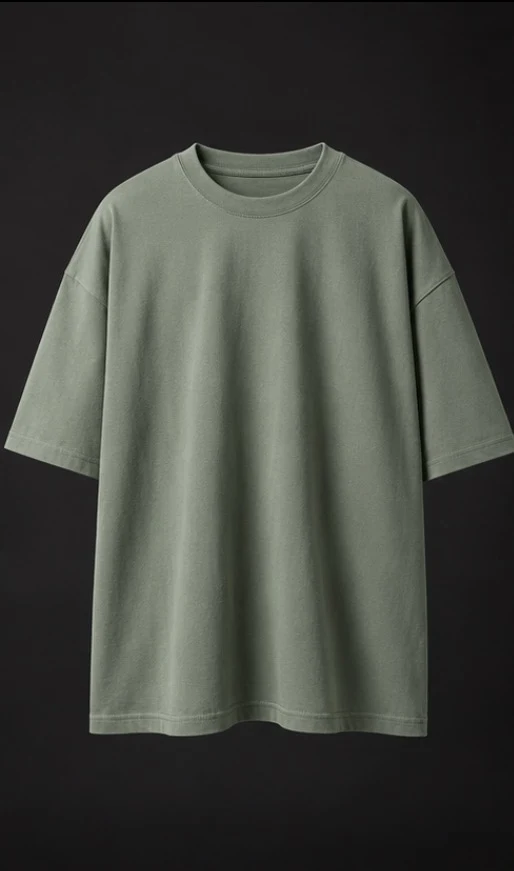
Category overview
45 products in this catalogue
Streetwear & Activewear is organised into 2 buyer groups and 8 product types. Buyer groups include Unisex, Women.
Product types
- Bottoms
- Hoodies
- Outerwear
- Pants & Joggers
- Shorts
- T-Shirts
- Tops
- Women's Matching Sets
Browse buyer groups
Open the available buyer groups
Each link opens the next level of the product catalogue.
Selected product references
Products in this category
Submit the actual requirement for review.
Share the product reference, quantity, specification, branding, packaging and destination context. Feasibility and commercial details are confirmed after review.
Streetwear, hoodie and activewear manufacturing questions
Who can manufacture oversized hoodies, heavyweight sweatshirts and tracksuits for my label?
Send IRHA APPARELS your intended silhouette and measurements, fleece or French terry preference, fibre composition, GSM, rib, hood and pocket construction. For a coordinated tracksuit, specify both pieces, colour matching, branding and size splits. Material availability, sample fit, minimums and pricing are reviewed against that brief.
Can you make custom T-shirts with my fit, fabric and brand labels?
Provide measurements, neckline and rib details, sleeve length, fabric composition and GSM, colour references and logo artwork. Confirm print or embroidery, neck and care labels, hangtags, folding and packaging. A T-shirt tech pack and approved sample reduce ambiguity before bulk manufacturing.
Can I request washed effects, embroidery, screen printing or other streetwear finishes?
Show the intended appearance and placement, and identify the base fabric. The team reviews the suitability and availability of the requested wash, print, embroidery or finish before quoting a sample. Effects, colour variation, durability expectations and approvals should be defined rather than assumed from a photograph.
How can a startup source a small streetwear collection without over-ordering?
Start with a clear number of styles and a realistic quantity per colour and size. Ask about shared materials and simpler customization where appropriate, then compare sample and landed costs. IRHA APPARELS reviews the proposed small-batch programme; low minimums, ready-made blanks and every special finish are not guaranteed.
Choose fabric and construction for heavyweight basics
For an oversized T-shirt, fleece hoodie, jogger or other streetwear program, define the composition, GSM, knit structure, shrinkage expectations, fit and construction details. Heavyweight fabric alone does not guarantee the intended drape, comfort or durability. Buyers should compare actual samples for hand feel, seam strength, rib recovery and wash behaviour.
Read the heavyweight hoodie RFQ guidePrepare branding and colourways for a private-label drop
Supply approved artwork sizes and placements for embroidery, screen printing, heat transfers or other decoration. Clarify fabric and trim colours, neck and care labels, hangtags, bagging and distribution packaging. Keep the approved measurement and artwork revision controlled across all colourways. Different garment types and fabrics can need separate sampling and minimums.
Send a workable bulk manufacturing requirement
Share the brand or importing company, garment references, intended material and GSM, quantity per style and colour, size distribution, branding and destination. Our usual planning basis is 50 pieces per style and colour; sampling is typically 7–10 days and production 17–24 days after approval, subject to material availability, construction and capacity. Shipping and customs require separate confirmation.
Request a custom streetwear manufacturing quotationDesign a private-label collection by garment, not by a generic price
A streetwear line often combines oversized and boxy T-shirts, pullover or zip hoodies, sweatshirts, joggers, cargo trousers, shorts and matching sets. Create an item-by-item brief with a sketch or clear photo of each garment, intended wearer, cut, size range, target colourways and quantities. An oversized hoodie and cropped women's hoodie need different measurements and grading rules even if both use the same brand mark. For sets, specify whether tops and bottoms are packaged or sold separately. Include pocket shapes, seams, cuffs, drawcords, zip closures and any lining or decorative panels. Keep the total order matrix separated by design, colour and size. The manufacturer can then evaluate complexity, development work and material consumption rather than relying on one vague 'custom streetwear' specification.
GSM, textile construction, washing and shrinkage
GSM describes fabric weight per square metre, not the complete feel or durability of a finished garment. State whether the design calls for cotton jersey, brushed fleece, loopback French terry, interlock or a blended material, and describe the desired surface, drape and climate. A heavy tee and winter sweatshirt with similar GSM can have very different structures and costs. Confirm fibre composition, rib fabric, shrinkage allowances, dyeing method, and whether garment washing, enzyme finishing or special effects are required. Ask to review actual swatches and a development sample. Document any buyer-required wash tests, shrinkage tolerances, pilling or colourfastness criteria. For seasonal wholesale collections, note if repeated batches must match an approved shade or a physical material standard.
Logo placement, print suitability and brand presentation
Send approved vector artwork where possible, including exact dimensions and placement measurements for front, back, sleeves and labels. Screen printing, embroidery, heat transfer and other decoration methods vary in compatibility with stretch, high-pile fleece, garment washes and large graphic areas. Assess a sample on the chosen fabric instead of approving a digital mock-up alone. Define the shape and material of the woven neck label, care label, size identifier, hangtag and any individual bag or custom packaging. If different colourways have different graphic colours, supply a clear artwork matrix. Where a buyer provides an existing brand's logo, ensure usage rights are authorised. Preserve a final approved sample reference and artwork revision to support reorder consistency.
Fit approval and wholesale sourcing checklist
Send finished-garment measurement charts for each silhouette, including shoulder width, chest, body length, sleeve, hem, cuff, rise, waist and inseam as applicable. State the size grading approach and acceptable tolerances. Agree whether the initial sample is for design construction, fit confirmation or pre-production reference, and record every revision before bulk production. A practical RFQ includes item-by-item quantities, fabrics and GSM, sizes, colour references, branding method, packaging, delivery country, requested shipping scope and timing. Ask for the relevant material and trim availability, sample steps, QC checkpoints and confirmed commercial terms. Repeat orders should identify whether they match the previous reference exactly or involve changes. IRHA APPARELS reviews private-label requirements using the supplied specification.
Send a streetwear production enquiry