Irha Apparels · B2B product catalogue
Private Label Sportswear Manufacturer for B2B Buyers
Build private-label sportswear across team uniforms, performance activewear, combat sportswear and training wear. OEM/ODM development, materials, sizing, branding, labels and packaging are confirmed against the buyer specification before sampling and bulk production.
Materials, branding, sampling, packaging and commercial terms are confirmed against the approved buyer brief.
Category overview
44 products in this catalogue
Custom Sportswear & Teamwear is organised into 4 buyer groups and 4 product types. Buyer groups include Combat Sports, Fitness & Activewear, Teams & Clubs, Training.
Product types
- Combat Sportswear
- Performance & Activewear
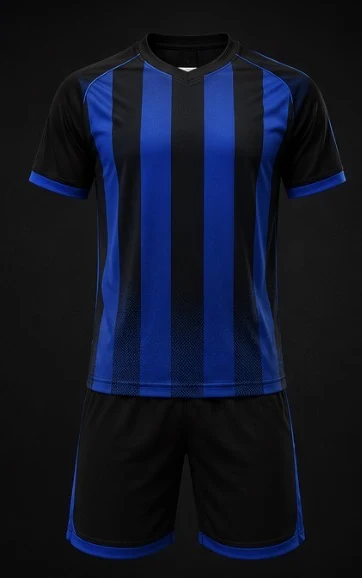
- Team Uniforms
- Training Wear
Browse buyer groups
Open the available buyer groups
Each link opens the next level of the product catalogue.
Selected product references
Products in this category
Submit the actual requirement for review.
Share the product reference, quantity, specification, branding, packaging and destination context. Feasibility and commercial details are confirmed after review.
Custom sportswear, teamwear and club-kit sourcing
Where can I find a manufacturer for custom football kits and other team uniforms?
IRHA APPARELS reviews custom sportswear and teamwear briefs for clubs, brands and distributors. For a football or soccer kit, state whether you need shirts, shorts, socks or coordinated training items, and provide designs, fabric, sizes and quantities. Requirements for basketball, rugby, cricket or other team programmes should be specified separately.
Can team kits include sublimation, embroidery, names, numbers and sponsor logos?
Provide editable artwork, colour references, placement and dimensions for each logo, name and number. The appropriate decoration method is reviewed against the fabric and design. Approve spelling, artwork placement and a sample before production, and use only marks you are authorized to reproduce.
What should I specify for training wear, gym wear or compression clothing?
Specify sport and intended use, fibre composition, GSM, stretch and recovery requirements, fit and size measurements. For compression tops, leggings or training sets, review seams and sample performance rather than relying on a generic fabric name. Any performance testing or technical claim must be supported for the selected material and garment.
How should I plan a low-quantity club kit order before a season or tournament?
Send the full size and quantity breakdown, artwork approval date, delivery destination and event date. Ask for the minimum, sampling path and a feasible production and shipping schedule for that kit. A fixed event deadline or an express request is not accepted until the team confirms it in writing.
Plan a club, teamwear or distributor manufacturing programme
Start with the sport and the complete kit scope: match jersey, shorts, goalkeeper items, tracksuit, warm-up top, training wear or other agreed products. Provide quantities per style and colour, an accurate size breakdown, a target fit, delivery country and whether the order is for one team, multiple clubs or wholesale distribution. For repeat orders, retain the approved size chart, pattern reference and artwork version.
Read the club football kit buyer checklistSpecify technical fabric, team graphics and labels
State preferred polyester or other approved material composition, GSM where useful, fabric construction, intended stretch, ventilation needs, seam and finishing requirements. Submit team crests, sponsor marks, numbers and names with placement diagrams and permission to reproduce the designs. Sublimation, screen printing, embroidery or heat transfer should be selected for the fabric and artwork. Confirm neck labels, care labels, hangtags, individual packing and any buyer-controlled colours before sampling.
Sampling, quality control and wholesale quotation
IRHA APPARELS develops OEM, ODM and private-label apparel in Sialkot, Pakistan. The usual planning basis is 50 pieces per style and colour, with typical sample development of 7–10 days and bulk production of 17–24 days after specifications and approvals, subject to materials, revisions and capacity. Agree measurements and tolerances, sample evaluation, QC photographs or videos, packing and delivery responsibilities in writing. Freight and customs time are additional. Send your technical brief and intended order size for a specific quotation.
Request a custom teamwear manufacturing quotationBuild a complete teamwear purchase specification before comparing manufacturers
For a professional club, federation, academy or sportswear distributor, start the enquiry with an itemised product matrix. Separate match jerseys, shorts, goalkeeper kits, training shirts, tracksuits, warm-up layers and any additional equipment clothing. For each item, provide a design reference, adult or youth range, intended sport, fabric preference, colourways, quantity, artwork and packaging needs. If names and numbers are personalised, include an approved player roster and the rules for late roster changes. Distinguish home, away and alternate kits and explain whether the same graphic must be adapted to different cuts or sizes. Confirm who owns the club crest, sponsor artwork and other trademarks. A repeat order should reference the approved earlier sample and artwork revision; a new project should identify decisions still open. This prevents an apparently inexpensive quote from omitting garments, trims or decoration work that will be required later.
Choose fabric, printing and fit using actual sports requirements
Sportswear should be specified by its use, not only by the word polyester or by a GSM figure. State whether the garment is intended for match play, indoor training, outdoor warm-ups, compression or leisure. Confirm the proposed fibre composition, knit construction, stretch direction, opacity, breathability expectations, intended climate, seam design and care conditions. If sublimation is requested, supply correctly scaled panel artwork and examine the appearance on the selected fabric rather than trusting a screen preview. Embroidery, heat transfer and screen printing have different effects on material handle and placement; sample the chosen method where needed. Give garment measurement points for chest, waist, garment length, sleeves and shorts or trouser dimensions, with tolerances agreed in writing. Adult, women's and junior fits should not automatically share one grading scheme. Any requested shrinkage, colourfastness or other performance test must relate to the actual approved textile.
Sampling, quality control and multi-team packing
Before bulk production, agree the sample type and the approval record: design layout, fabric, shades, crest positioning, names, numbers, trims and finished measurements. If changes are required, maintain a numbered tech-pack or sample revision. For large academy or distributor orders, supply a size-by-team roster plus a total consolidated quantity by garment, colour and size. Decide whether cartons should be organised by team, athlete, garment type or shipment destination. A complete packing instruction should cover individual garment bags if requested, labels, carton identification, quantity checks and any special recipient references. Discuss which pre-dispatch inspection photographs or videos are useful, and what the accepted quality criteria will be for seams, decoration, sizing and the final quantity. A visual review is evidence for specified checkpoints, not a substitute for physical testing where the contract requires it.
What to include in a wholesale sportswear quotation request
An RFQ that leads to a useful manufacturing discussion identifies the purchasing company, actual garment references, sport, number of teams or styles, target material, colour scheme, design files, size breakdown, total quantities, branding and delivery country. State whether the request is for OEM production from an approved tech pack or ODM development requiring technical proposals. Ask for the sample plan, proposed material alternatives, quality checkpoints, packaging scope, destination, applicable trade term and estimated timeline for the defined order. If the buyer is a wholesaler, include whether the garments are for a single club, multiple team accounts or stock intended for future resale. Keep commercial assumptions explicit so an initial quotation can be revised after materials, artworks and sizes are approved. IRHA APPARELS reviews B2B teamwear manufacturing requirements on this basis.
Send a custom teamwear RFQ