
Choosing a Hoodie Manufacturer: Repeat-Order Control for Canadian Brands
A Canadian brand's guide to consistent hoodie reorders: fit baselines, fabric changes, colour approvals, packaging and receiving checks.
Look beyond the opening hoodie sample
A Canadian brand searching for a hoodie manufacturer may already know its preferred fit, artwork and retail positioning. The harder question is whether a second production run will match the first. Fabric substitution, altered grading, a different rib or an unrecorded pattern revision can change the product even when the style name stays the same.
This guide addresses repeat-order control. For initial construction and fabric-weight decisions, use IRHA's existing heavyweight hoodie RFQ and GSM guides. IRHA APPARELS manufactures in Sialkot, Pakistan; this article does not describe Canadian-made goods or a Canadian warehouse.
Oversized Pullover Hoodie
Product reference from the IRHA catalogue. Final construction and materials are agreed before production.
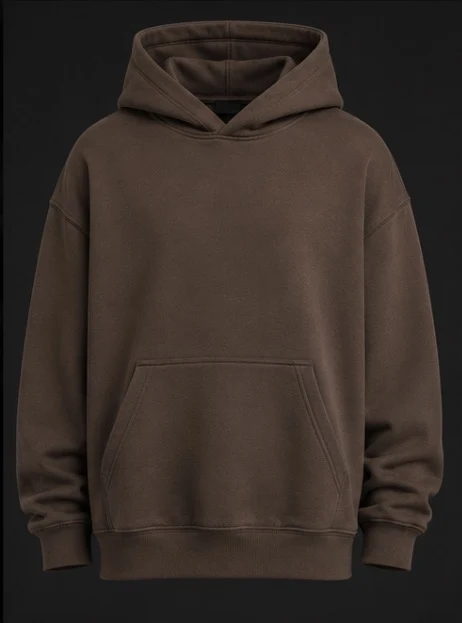 View product reference
Create a retained reference that can be measured
Keep an approved physical sample alongside the final technical specification. Give both a revision identifier. Record which measurements were taken before or after any agreed care test, and use the same measuring method for future comparisons.
Useful hoodie checkpoints include body width and length, sleeve length, shoulder position, armhole, hood opening, pocket dimensions and rib height. Define tolerances for the relevant points with the manufacturer rather than applying one tolerance blindly to every measurement.
Photograph the garment in neutral lighting and capture close-ups of stitching, labels and decoration. Photographs help communication but do not replace measurements or the physical reference when hand-feel and fit matter.
Control fabric changes explicitly
Fabric weight alone does not define a hoodie. Composition, knit structure, face yarn, back finish and processing can affect how a garment feels and behaves. A replacement described as the same GSM may therefore require another approval.
Write down which attributes are fixed and which alternatives the supplier may propose. Ask for changes to be identified before material purchase. If a substitute is needed, compare it against the retained material and make an explicit decision; do not let an urgent reorder turn an unreviewed substitution into the new standard.
A hoodie intended for layering should be evaluated in that use context. Do not infer a particular temperature rating or winter-performance claim from weight, thickness or a brushed interior.
Make colour and decoration repeatable
Use an agreed physical colour reference and a documented approval route. Screen displays and photographs can vary, so the image in a messaging app should not be the only colour standard. Clarify how visible differences between the body, rib, drawcord and printed or embroidered elements will be reviewed.
Keep the final decoration file, dimensions and placement measurements together. A logo can look different if the stitch construction, print method or garment surface changes. If a placement is measured from the neckline or seam, state exactly where the measurement starts.
Before reordering, confirm that every production file refers to the approved version. Remove obsolete artwork from the active instruction pack while retaining it in the revision history.
Build a size curve from your own sales
Use the first order to learn which sizes and colours your customers actually buy. Compare sales with available stock: a size that sold out immediately may show more demand than its final sales count alone suggests. Keep returns due to fit separate from returns caused by damage or preference.
Discuss proposed grading changes before placing the next purchase order. A longer body or wider chest can affect the fit relationship across the range. If you change the specification materially, treat the result as a revised version and approve it accordingly.
For wholesale programmes, request the customer's size assortment before allocating production. Do not impose a generic Canadian size curve as if it fits every audience.
Plan the receiving process before shipment
Agree carton quantities, size identification, individual packing and carton marks so your receiving team can check the order efficiently. State whether goods are intended for your own warehouse, a distributor or a fulfilment operation, and provide its documented packing requirements.
Keep a receiving checklist covering carton count, SKU/size distribution, visible condition and a defined inspection sample. Set the reporting process for discrepancies in the purchase agreement. Photographs and QC videos before dispatch are useful records, but they do not eliminate the need to inspect received goods.
Obtain shipment-specific logistics and import advice for the destination. Packaging, transport and receiving requirements should be confirmed separately from the garment price; this article does not give a duty rate or a labelling-law determination.
Ask for a reorder quotation with a change log
Send the product reference, approved specification version, quantity by colour and size, and a short list of changes—or an explicit statement that no design change is requested. Ask the supplier to identify any change in material availability, unit price or manufacturing schedule before accepting the order.
IRHA normally plans around 50 pieces per style/colour, with the actual minimum confirmed for the programme. Typical sample development takes 7–10 days, and bulk production 17–24 days after required approvals, subject to materials and complexity. Shipping is a separate stage.
The strongest reorder brief tells the manufacturer both what must remain consistent and what may change. That creates a measurable basis for a continuing supplier relationship rather than starting the development discussion again with each purchase.
Initial hoodie specification guide
Continue with the relevant manufacturing guide or submit your project details.
Initial hoodie specification guideUnderstanding fabric GSM
Continue with the relevant manufacturing guide or submit your project details.
Understanding fabric GSMRequest a hoodie quotation
Continue with the relevant manufacturing guide or submit your project details.
Request a hoodie quotation