
How US Brands Can Compare Private Label Clothing Manufacturers
Compare private label clothing manufacturers using a practical scorecard for specifications, sample consistency, landed-cost scope and repeat orders.
Start with a comparable production brief
A US apparel brand comparing private label clothing manufacturers needs more than a low unit price. Two factories can quote the same reference photograph while pricing different fabrics, seam constructions, packaging and development work. The practical objective is to compare the same deliverable, then test whether the supplier can reproduce it reliably.
This guide is for brands, wholesalers and distributors planning a commercial order. IRHA APPARELS manufactures in Sialkot, Pakistan; it is not a US factory or a US stockholding wholesaler. Overseas production should be evaluated with its real development, freight and receiving steps included.
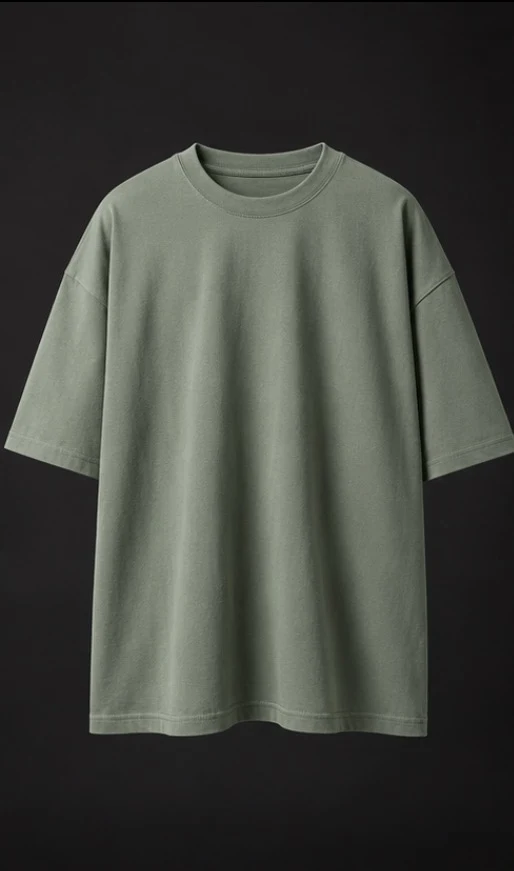
Oversized T-Shirt
Product reference from the IRHA catalogue. Final construction and materials are agreed before production.
 View product reference
Separate sourcing routes before comparing prices
Private label can mean adding a brand to an existing garment, adapting a manufacturer's design, or manufacturing a completely specified product. Ask each supplier which route its quotation covers. A blank hoodie with a printed logo is not directly comparable with a custom pattern, custom-dyed fabric, woven labels and individually specified packaging.
For a useful comparison, freeze one version of the brief. Include garment drawings, composition and fabric-weight requirements, measurements, decoration dimensions, labels, packaging and the quantity by style and color. Mark any open decisions clearly. A supplier should identify assumptions and substitutions rather than quietly pricing a different product. Read the existing OEM/ODM guide if the development route itself is still undecided.
Use a scorecard with evidence beside every score
Create five comparison columns: specification coverage, sample quality, communication, delivery scope and repeat-order control. Give each a score from one to five only after recording the supporting evidence. This is a buying tool, not a certification or an industry ranking.
For specification coverage, record which requirements the written quote actually includes. For sample quality, attach measurement and construction findings. For communication, check whether answers resolve technical questions and identify responsibility for revisions. For delivery scope, list the named delivery point and costs included. For repeat orders, ask how the approved pattern, material reference and artwork version will be retained.
Avoid choosing a supplier solely because its total score is highest. A missing critical capability can outweigh strengths elsewhere. A brand needing repeatable size grading should not ignore an unresolved size-set problem because the packaging looks impressive.
Compare sample consistency, not just one attractive sample
A good-looking sample is useful evidence, but it does not show how every size or later production lot will behave. Choose review points before the sample arrives. For a hoodie these may include chest width, body length, sleeve length, hood shape, rib recovery, seam appearance and the position of the decoration.
Measure using the same method and conditions each time. Record the result beside the agreed tolerance, rather than writing only 'fit good' or 'too small'. If washing or another performance check matters, agree the method and acceptance criteria with the supplier. A photograph cannot establish shrinkage, fiber content or long-term durability.
Close corrections in a dated approval record. Do not let an informal chat message approving one detail accidentally authorize the whole garment.
Build a landed-cost worksheet without guessing charges
Use separate rows for development, garments, decoration, labels, packaging, inspection if requested, freight, insurance if applicable, import-related charges and delivery to the receiving location. Obtain shipment-specific figures from the relevant provider. Do not apply a generic duty percentage to every apparel product.
Compare quotes in the same currency, for the same shipment quantity and with the same delivery scope. If one quote ends at a named Pakistani point and another includes transportation onward, the headline prices answer different questions. Clarify which party arranges each step before placing the order.
For internal planning, divide the confirmed total cost by the number of sellable units you expect to receive. Keep returns, marketing and retail fulfillment in your commercial model as separate assumptions. This article does not supply a customs classification or a tax calculation.
Make the second order part of the first-order discussion
Ask how the manufacturer will identify the approved fabric, color, pattern and decoration on a reorder. A familiar product name is not enough: two batches sold as the same hoodie may differ if the original specification was never controlled.
Decide which materials can be substituted only with written approval. Keep a retained reference sample and a revision history. Confirm whether the original fabric remains available when the next order is requested; do not assume a supplier can reproduce a material indefinitely.
A sensible first order tests the relationship at a commercially meaningful quantity. Expansion should follow evidence from the received goods and buyer response, not an unsupported promise of unlimited capacity.
Prepare an enquiry IRHA can assess
Send your company name, product reference, target quantity per style and color, size split, technical files and US delivery destination. IRHA's usual planning basis is 50 pieces per style/color, subject to the confirmed specification. Typical sample development is 7–10 days and bulk production 17–24 days after required approvals; material sourcing, complexity and revisions can affect timing. Freight and clearance are additional planning stages.
Request a written scope covering development, garment construction, branding, packing and shipment responsibilities. The aim is a quotation you can compare and an approved product you can reorder—not merely the lowest number in an email.
OEM, ODM and private label explained
Continue with the relevant manufacturing guide or submit your project details.
OEM, ODM and private label explainedBrowse product programmes
Continue with the relevant manufacturing guide or submit your project details.
Browse product programmesRequest a manufacturing quotation
Continue with the relevant manufacturing guide or submit your project details.
Request a manufacturing quotation